
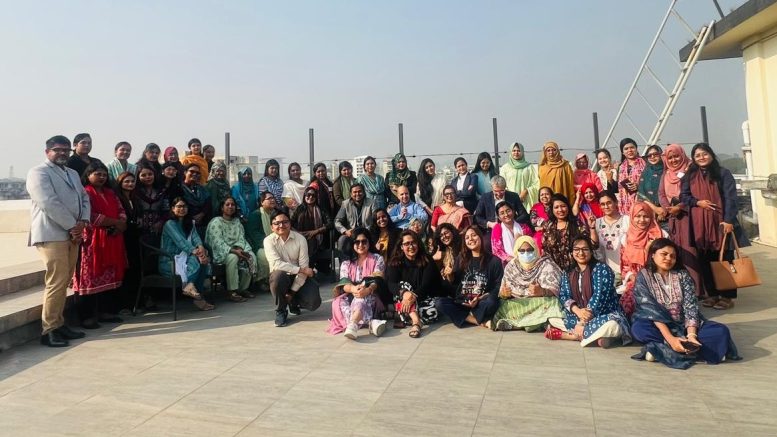
Ahead of the upcoming national election, two training programmes for women journalists were organised in Chattogram to strengthen safety, information credibility, and ethical standards in election-time journalism.
The trainings were organised by media and communication development organisation Somosti under the UN Ballot Project, with support from the UNESCO Dhaka Office, according to a press release.
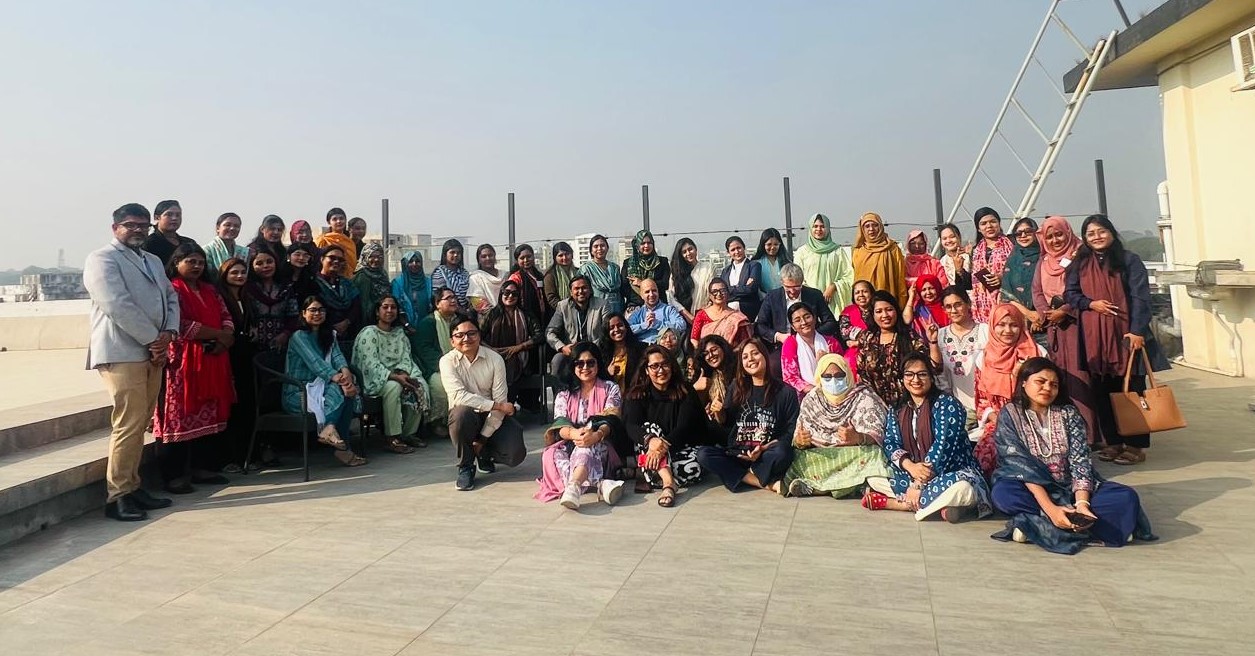 The first batch of the training began on Friday and concluded on Sunday (16-18 Jan 2026), while the second batch was held from Saturday to Monday (17-19 Jan 2026). In total, 49 women journalists from print, television, and online media outlets across different districts of the Chattogram division participated in the programmes.
The training sessions covered a wide range of critical issues related to election reporting, including freedom of expression and international standards in the electoral context; risks and opportunities associated with misinformation and artificial intelligence; fact-checking techniques; the legal framework governing elections and political reporting; and the physical, digital, and psychological safety of women journalists.
Mehdi Benchelah, Senior Project Officer at UNESCO’s Freedom of Expression and Safety of Journalists Section, led sessions on freedom of expression, information credibility, and journalist safety.
International trainer Anass Bendrif conducted sessions on digital media, misinformation, and artificial intelligence, while security expert Scott Horre facilitated training on physical and digital safety and risk management for journalists.
Sessions on Bangladesh’s electoral system, legal framework, and political reporting were conducted by senior journalist Sharmin Rinvi and Shakhawat Liton, Executive Editor of The Business Standard. In addition, Taslima Akhter, Gender Specialist at UNDP, facilitated a session on reporting gender-based violence and promoting gender sensitivity during elections.